GitHub Token Leak and NPM Malware: What Web3 Traders Need to Know


A new wave of supply chain attacks targeting GitHub tokens and NPM packages has raised serious concerns across the global developer and crypto community. In recent days, malicious npm malware campaigns have been linked to large-scale token leaks, putting Web3 applications, DeFi platforms, and meme coin websites at risk due to their heavy reliance on open-source infrastructure.

What Happened in the GitHub Token Leak and NPM Malware Attack
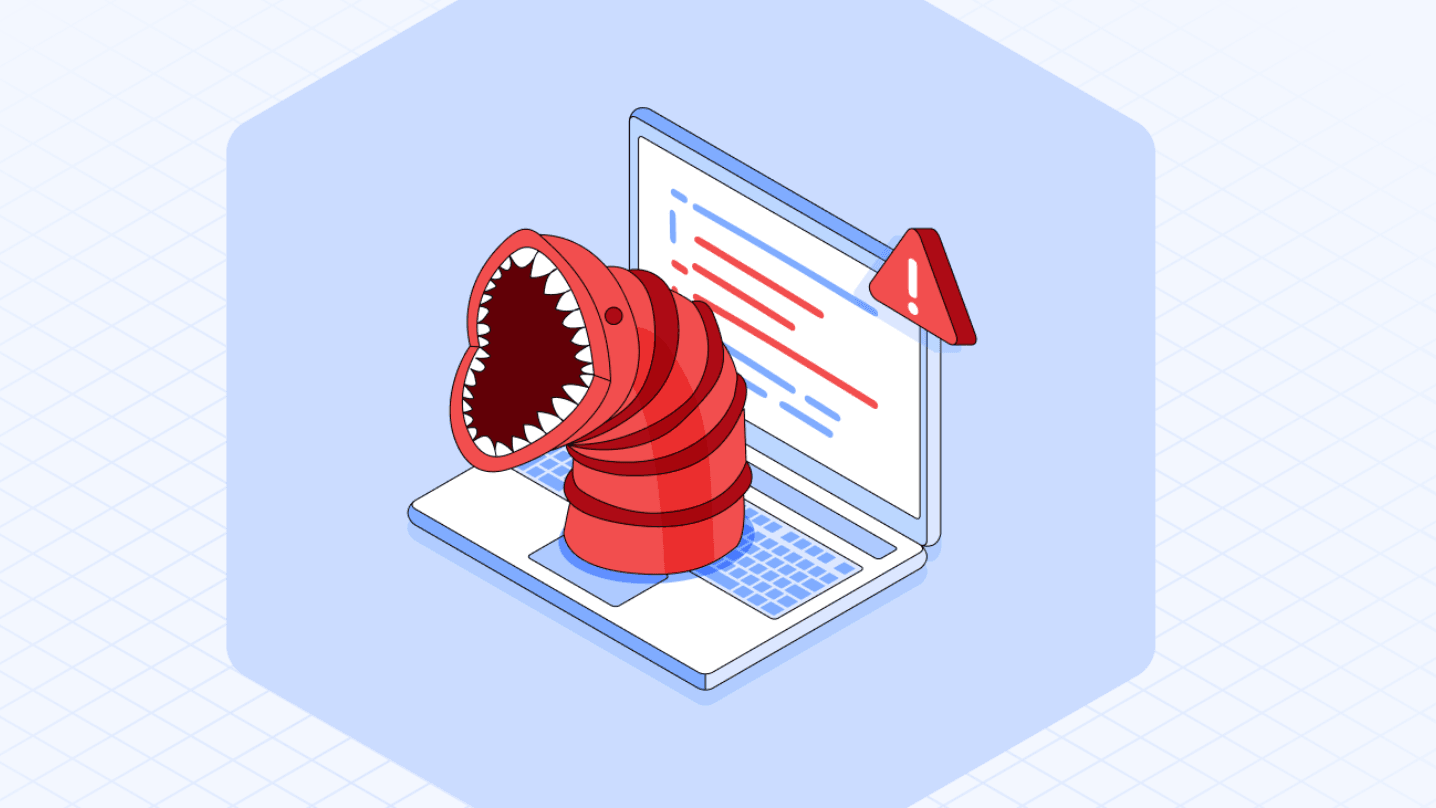
A massive cyber security storm is hitting the tech world right now. In late May 2026, security researchers discovered a giant software attack named "Mini Shai-Hulud" and "Megalodon." Hackers are putting malicious code (malware) into npm, which is the largest JavaScript package platform in the world. When everyday software developers download these compromised code tools, a hidden trojan virus starts running on their computers. This virus does not destroy files. Instead, it looks for one specific thing: the developer's GitHub Personal Access Token (PAT).
During the past 24 hours, the internet buzz around this topic has jumped to the highest level. Security firms confirmed that big enterprise platforms like Grafana Labs and even GitHub itself had their internal code stolen because of these leaked tokens. Hackers use automated bot scripts to log into the victim's GitHub account immediately. Then, they inject the same virus into all the other projects that the developer manages. This automated cycle makes the virus spread incredibly fast across thousands of online code repositories in just one day.
What Is a GitHub Token and Why Do Hackers Want It
A GitHub Personal Access Token is like a master digital key for software developers. When programmers write code, they do not want to type their password every single time they save their work. Instead, they use this token to log in automatically. The key tells the computer system that the developer is real and trusted. This setup makes working very fast, but it also creates a major security danger if the key leaves the developer's computer.
Hackers are hunting for these leaked tokens because they give full control over private code repositories. In May 2026, the Megalodon malware showed how fast hackers can exploit this access. Once a hacker gets your GitHub token, they do not need your username, password, or two-factor authentication code. They can bypass all security walls instantly. They can read your private company files, steal secret API keys, and upload bad code to your live customers without anyone knowing.
Past 24 Hours: The Global Developer Community Reaction
Over the past 24 hours, tech forums like Reddit, Twitter, and GitHub Issues have exploded with angry messages from developers. Thousands of independent programmers are sharing screenshots of their hacked repositories. Many users are shocked by how fast the automated bot scripts infected their work. The general mood in the coding community is a mix of panic and anger because some affected open-source tools have millions of daily downloads.
This massive wave of complaints has forced major platform teams to make emergency moves. GitHub security networks are currently tracking known hacker IP addresses, and the npm registry team is working around the clock to delete bad software packages from their database. However, because new copycat variants are appearing every few hours, global technology firms are telling their workers to stop installing any unverified updates until the situation is fully under control.
Why Is the Crypto Community Scared of This Attack
This technical problem is a direct danger to Web3 traders and meme coin investors. Almost every decentralized exchange (DEX), DeFi platform, and meme coin website relies on public npm packages to build their web interfaces. If a crypto developer accidentally installs a poisoned package, hackers can steal their GitHub credentials instantly. Once hackers control the project's GitHub repository, they can silently alter the official website code.
The next step is highly dangerous for retail users. Hackers can replace the real "Connect Wallet" button on a meme coin website with a phishing link. When you click the button to trade, a malicious smart contract will drain your digital wallet in seconds. Because many small token teams do not have large security audits, they might not notice the breach for days. This risk is why crypto market participants are rushing to check the safety of their favorite web platforms today.
How to Check If Your Project Is Infected
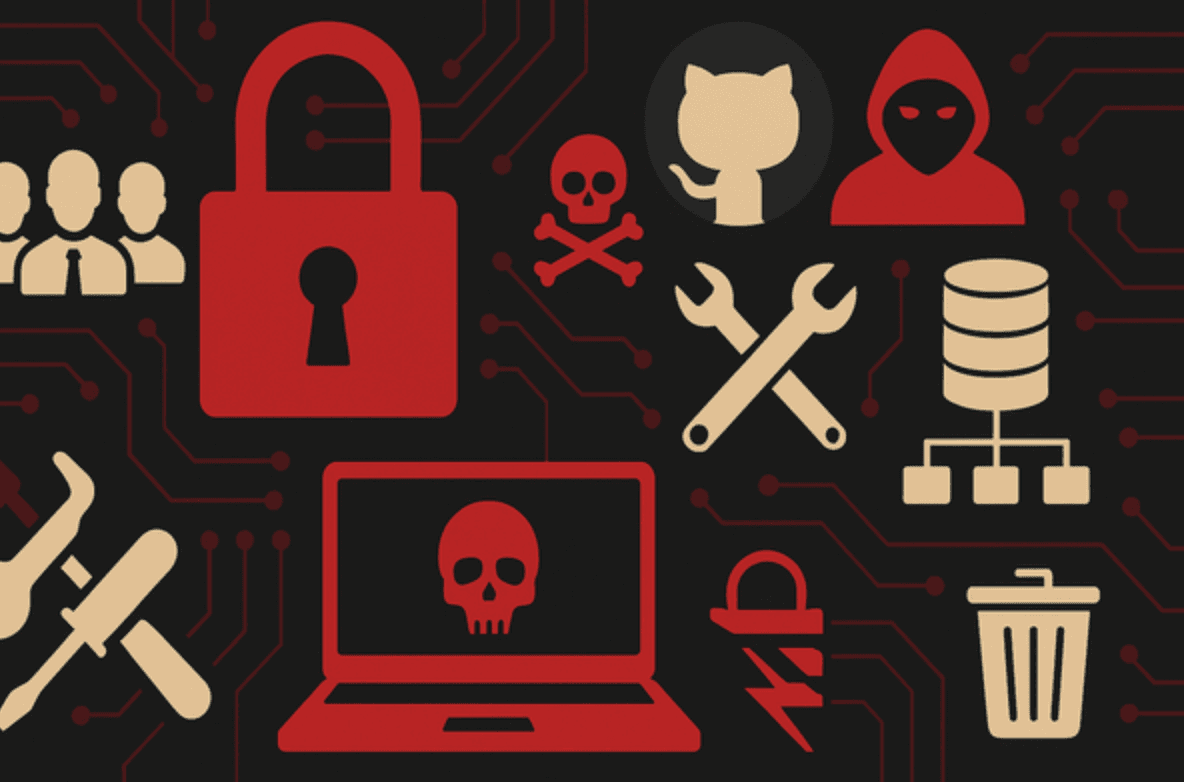
If you are a Web3 developer or manage a crypto project, you must check your system security immediately. First, look at your GitHub audit logs and recent commit history. You need to see if there are any strange code updates made during the middle of the night that you did not authorize. Second, run a deep scan using tools like npm audit or specialized security software to check if your project dependencies match the official verified versions.
You should also check your local computer for hidden malware traffic. Look for unknown background processes that are trying to send data to external servers. If you find any suspicious activity, you must act fast. Do not wait for a full report. Revoke all active GitHub personal access tokens from your settings page immediately, change your main account passwords, and alert your community before hackers can touch your official website.
Protect Your Wealth and Trade Safely on WEEX
When decentralized platforms face code supply chain threats, trading on a highly secure centralized exchange is the smartest choice. High-risk on-chain apps can suffer from sudden front-end hacks that target your private wallet keys. To avoid these dangerous code traps, smart traders move their capital into premium trading environments with dedicated enterprise defense networks.
WEEX is a world-class crypto futures and spot trading platform designed with institutional-grade security infrastructure. The platform does not rely on unchecked third-party public web packages, ensuring that your user credentials and financial data remain safe from external supply chain leaks. By monitoring real-time data trends and executing your trades within the secure ecosystem of WEEX, you can grow your digital wealth safely without worrying about hidden malware risks on the web.
Conclusion
The May 2026 NPM malware attack is a big reminder for everyone in the crypto world. Web3 technology moves fast, but it also depends heavily on shared public code. When hackers steal a developer's GitHub token, they can compromise your favorite trading platforms in just a few clicks. This modern risk means you cannot just look at coin prices anymore. You must also care about the technical safety of the websites you use every single day.
To keep your digital wealth safe from these silent supply chain traps, the best strategy is to avoid high-risk web tools. Decentralized apps are fun, but their front-end interfaces are currently facing heavy hacker waves. Trading on an institutional-grade platform like WEEX gives you a secure environment that keeps your personal credentials and capital safe. Do not let a single corrupted line of code destroy your financial future. Stay educated, check your connection habits, and focus your trading action inside secure networks.
FAQ
1. What is the GitHub token leak attack?
It means hackers use bad npm packages to steal secret login keys from developers' computers.
2. Why is npm malware dangerous?
Because it hides inside common tools and automatically infects thousands of websites in one day.
3. How does this impact crypto users?
Hackers can change the "Connect Wallet" button on websites to steal all your crypto coins.
4. Can supply chain attacks be prevented?
You can reduce the risk by scanning your code, but you cannot stop 100% of these attacks. That is why trading inside secure networks like WEEX is safer.
You may also like

Does SPY Stock has a token or crypto? SPYUSDT & WEEX TradFi Guide
Curious whether SPDR S&P 500 ETF Trust (SPY) has a crypto coin or token, and what “SPYUSDT” means?…

Does QQQ Have a Crypto Token? QQQUSDT and WEEX TradFi Guide
Does QQQ stock have a token or crypto? Short answer: not officially. This article explains what “QQQUSDT” means,…

Does STX Stock Have a Token? STXUSDT Explained & WEEX TradFi
Curious whether Seagate’s STX stock has a crypto coin, a tokenized version, or a USDT pair you can…
Does MU Have a Token? MUUSDT Explained and How to Trade on WEEX TradFi
Micron Technology (MU) doesn’t issue its own crypto, but traders often search for “Does MU have a token?”,…

CTR Airdrop: Share 50,000 USDT With 0-Fee Trading Rewards
The CTR Airdrop runs May 26–June 2, 2026 (UTC+8) with a 50,000 USDT pool, 0-fee spot trading on…
How to Claim the WEEX Welcome Bonus (2026 Guide)
The WEEX welcome bonus helps new users ease into futures trading with platform-issued rewards, not cash handouts. This…
Dow Jones Latest Price Analysis: What Comes Next?
As of the May 27, 2026 close, the Dow Jones hit 50,644.28. Here is the latest price analysis, outlook, key drivers, and crypto-market impact.
America250 Crypto: Token Legitimacy and Risks Explained
America250 crypto uses the U.S. 250th anniversary narrative. Learn whether it is official, how to verify contracts, and the key trading risks.
Fidelity Oil United Reserve: FOUR Crypto Risks Explained
Fidelity Oil United Reserve (FOUR) is a Solana oil-themed crypto token. Learn what is verified, what is not, and the risks before trading.
SLX Airdrop: Share 50,000 USDT, 0-Fee Trading, Multiple Rewards
This guide explains how the SLX Airdrop works, what rewards are on offer, who’s eligible, and practical ways…
What is Solstice (SLX) Coin
Solstice (SLX) Coin, now available on WEEX for trading since May 25, 2026, is a groundbreaking cryptocurrency focusing…

What is MP Materials Tokenized Stock (MPON) Coin?
The MP Materials Tokenized Stock (MPON) Coin has been newly listed on WEEX, with trading opening on May…

What is Ratspeak (RATSPEAK) Coin?
Ratspeak (RATSPEAK) Coin has made its debut on WEEX, a prominent cryptocurrency exchange. This innovative token was listed…
What is IBM Tokenized Stock (IBMON) Coin?
The rapidly evolving landscape of digital assets presents yet another opportunity for crypto traders with the recent listing…
What is Nebius Group (NBISON) Coin?
The Nebius Group (NBISON) Coin has been newly listed on WEEX, allowing crypto enthusiasts to trade this exciting…
What is Navacoin (NAVA) Coin
Navacoin (NAVA) has recently secured a listing on the renowned WEEX Exchange, allowing enthusiasts and investors to engage…
What is The Most Valuable Currency (ATTENTION) Coin?
Recently making waves in the crypto community, The Most Valuable Currency (ATTENTION) Coin has been listed on WEEX…
What is Gitbank (GITBANK) Coin?
Gitbank has just been listed on WEEX Exchange as of May 21, 2026, providing an exciting new trading…
Does SPY Stock has a token or crypto? SPYUSDT & WEEX TradFi Guide
Curious whether SPDR S&P 500 ETF Trust (SPY) has a crypto coin or token, and what “SPYUSDT” means?…
Does QQQ Have a Crypto Token? QQQUSDT and WEEX TradFi Guide
Does QQQ stock have a token or crypto? Short answer: not officially. This article explains what “QQQUSDT” means,…
Does STX Stock Have a Token? STXUSDT Explained & WEEX TradFi
Curious whether Seagate’s STX stock has a crypto coin, a tokenized version, or a USDT pair you can…
Does MU Have a Token? MUUSDT Explained and How to Trade on WEEX TradFi
Micron Technology (MU) doesn’t issue its own crypto, but traders often search for “Does MU have a token?”,…
CTR Airdrop: Share 50,000 USDT With 0-Fee Trading Rewards
The CTR Airdrop runs May 26–June 2, 2026 (UTC+8) with a 50,000 USDT pool, 0-fee spot trading on…
How to Claim the WEEX Welcome Bonus (2026 Guide)
The WEEX welcome bonus helps new users ease into futures trading with platform-issued rewards, not cash handouts. This…